Wednesday, 11 July 2012

Wiggly Worms and Soil


The Worm 
No, little worm, you need not slip
Into your hole, with such a skip;
Drawing the gravel as you glide
On to your smooth and slimy side.

I’m not a crow, poor worm, not I,
Peeping about your holes to spy,
And fly away with you in air,
To give my young ones each a share.

O no, I’m only looking about,
To see you wriggle in and out,
And drawing together your slimy rings,
Instead of feet, like other things:

So, little worm, don’t slide and slip
Into your hole, with such a skip!
ANN TAYLOR

Worms play an important role in the garden.  As Charles Darwin once said, "They are the intestines of the Earth."  These little 'soil farmers' provide many benefits to plants and to us just by simply living, eating and reproducing.

Some of the wonderful things worms do in the garden:
  • Worms eat old plant material and food scraps left over in the soil and break them down
  • Worm castings or 'poop' provide food and nutrients for the plants to grow
  • When worms wiggle through the soil the tunnels they leave behind allow air and water to filter into the ground and loosen the soil for plant roots to grow
To learn more about worms here are some cool links to check out:
To learn more about where your food comes from watch this fun video and song from the Banana Slug String Band:



Tuesday, 22 May 2012

Spring and Robins


Hello friends and Happy Spring!

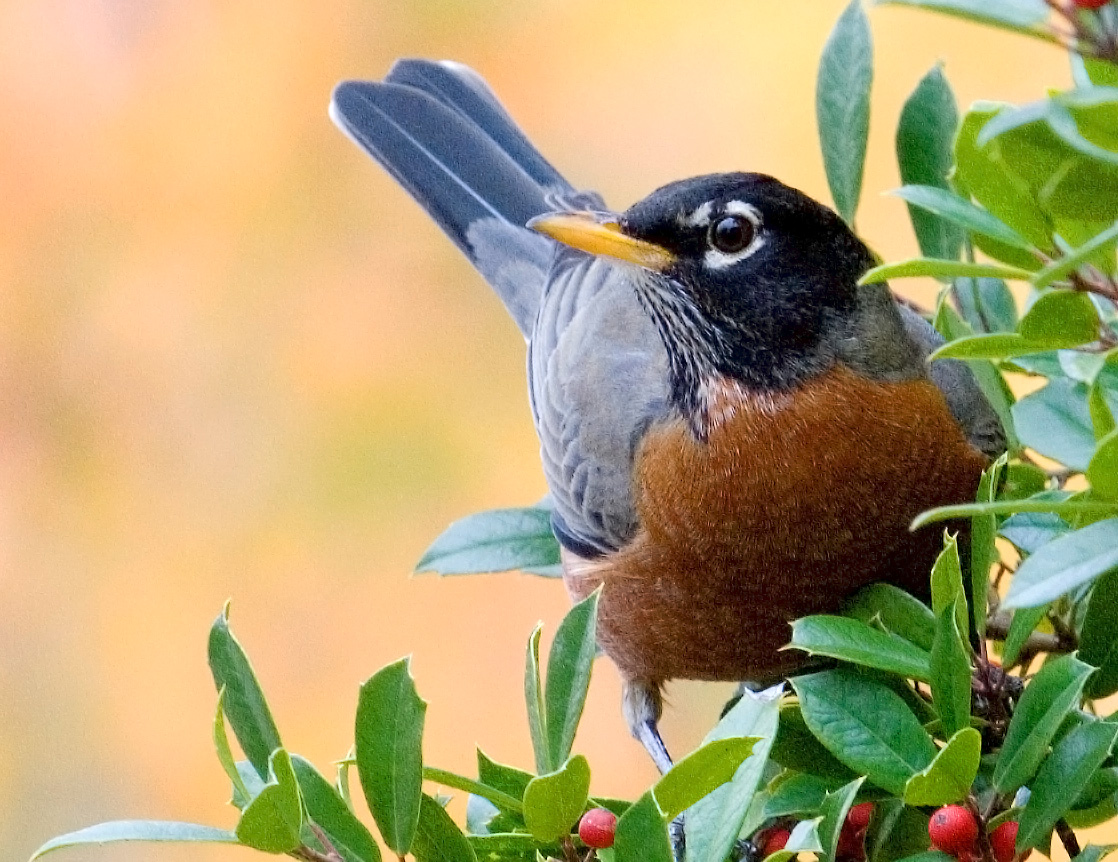
One of my many favourite things about Spring is watching Robin play in my garden and hop-hop-hop through the grass.

Sometimes I like to talk to Robin when he visits my garden in the early morning and late afternoon. I whistle to him, "Cheerily, cheer up, cheer up, cheerily, cheer up." Click here to listen to my friend Robin!

I have learned a lot from watching and talking to Robin!


I have learned:

Mr. Robin is brighter in colour than Mrs. Robin and has a reddish orange chest, with a grey body, dark tail feather and a white bottom.
Robin's eggs are light blue and about the size of a quarter.


Mrs. Robin builds her nest in trees, bushes and hedges and even on houses. Her nest is bowl-shaped and is about 6 inches across. The inside of her nest is about 4 inches in diametre, which is big enough to hold 2-4 eggs.

Mrs. Robin builds her nest 5-25 feet above the ground and is usually protected from rain and predators.

Once Mrs. Robin lays her eggs, they take 11-14 days to hatch.

Mrs. Robin sits on the nest to incubate the eggs.

The eggs hatch within a day or two of each other.

Nestlings (the baby birds) are pink with little tufts of feather after they hatch. Their eyes are closed when they hatch, and have blue bulges where their eyes will develop. Their eyes will open when they are about 5 days old. The nestlings take about two weeks to develop feathers before leaving the nest.


Watch the video below to see Mrs. Robin patiently and attentively raise 4 baby robins over 4 weeks, with help from Mr. Robin!

Monday, 21 May 2012

Friday, 4 May 2012

Farmer Fern at The Well

Farmer Fern
On April 27, 2012, my friends Lea, Louisa, Sarah, Erica, Nathan and I visited Tim and his friends at The Well. We had a super time making puppets and I even had the chance to put on a show! Everyone had lots of fun, and now I have lots of new friends that I hope to see again soon!


Tuesday, 17 April 2012

Farmer Fern Goes to the Well

Friday, April 27th the Farmer Fern & Friends Puppet Program will be running a puppet workshop at The Well located at Kortright Presbyterian Church in Guelph.  Our group will be preforming a puppet play followed by seed planting and puppet making.  This weekend I made the samples of the bird puppets we will be creating with the participants of the workshop.  These bird puppets were quick, easy, and a lot of fun to make and provide endless possibilities for creating different looks. - Sarah